We’ve all had this moment: You reach into the pantry, hoping for a soft, cozy slice of bread, and instead—bam—it’s dry, tough, and about as welcoming as a brick. Not moldy, mind you. Just sad and stale.
I used to sigh, shrug, and toss it. But then I married into a family where wasting bread was practically a cardinal sin. My mother-in-law—God bless her—would look horrified if I even thought about throwing it out. “That bread’s still got life in it,” she’d say, while whipping up something delicious like it was no big deal.
Turns out… she was absolutely right.
What Is Stale Bread, Really?
Let’s start with the facts. Stale bread isn’t spoiled—it’s just had a little personality change. It’s gone from soft and springy to dry and firm. This happens because of a process called retrogradation, which sounds complicated but basically means the starches have stiffened and pushed out moisture.
So, is it ideal for a sandwich? Maybe not. But is it useless? Not even close.
Is It Still Safe to Eat?
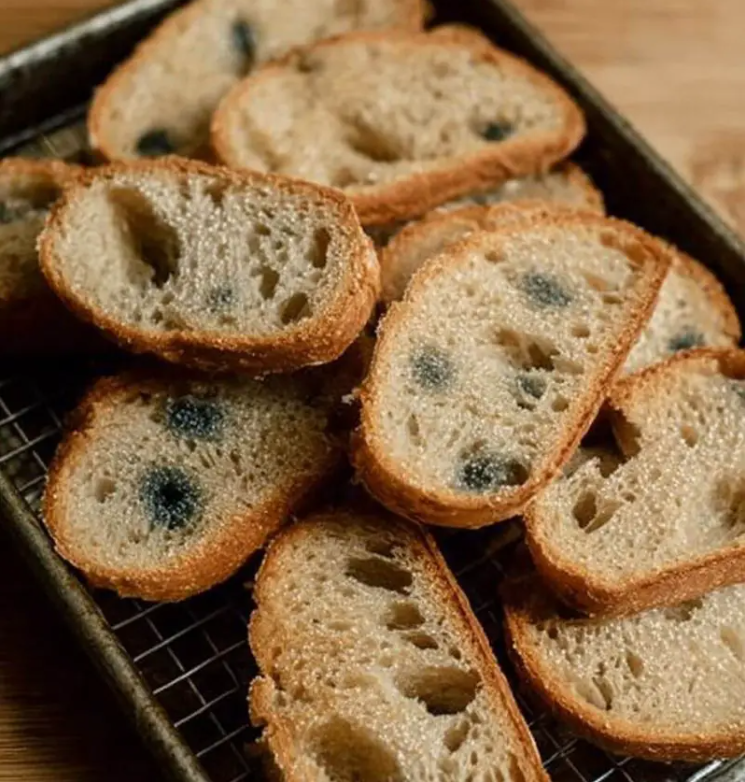
Yes—as long as it’s not moldy. A stale slice that’s just dry and crumbly is still perfectly safe. Mold, on the other hand, is your deal-breaker. Look for fuzzy spots (green, white, or black) or sniff for a musty smell—if it’s there, let it go.
No shame. Mold is where we draw the line.
Why You Shouldn’t Toss It (Besides the Guilt Trip)
Here’s the thing: Bread is one of the most wasted food items around the world. And when we waste food, we’re not just tossing the bread—we’re wasting all the water, energy, labor, and packaging it took to get that loaf onto our shelf.
Even if it’s just one slice, saving it counts.
Quick Ways to Revive It (In Case You’re Not Feeling Fancy)
If you’re still hoping to enjoy your bread as, well, bread—there’s hope.
Here’s my go-to revival trick:
-
Run the slice quickly under water. Yes, water. Don’t soak it, just a light pass.
-
Pop it in a preheated oven (350°F) for about 10 minutes.
-
Let it crisp a little and cool slightly.
The steam from the water softens the inside, while the oven gives the outside a gentle crunch. Magic.
Cooking with Stale Bread: Where It Shines
Now, if you’re open to getting creative, stale bread actually shines in all sorts of recipes.
Some of my personal favorites:
-
French toast (or “pain perdu,” which literally means “lost bread”)
-
Homemade croutons – Cube it, toss in olive oil, garlic, herbs, bake ‘til golden
-
Bread pudding – Sweet, comforting, and zero waste
-
Panzanella salad – A Tuscan salad made with soaked stale bread, tomatoes, onions, and vinaigrette
-
Breadcrumbs – Just blitz it in a food processor, store in a jar, and use it for meatballs, casseroles, or as a crispy topping
Once you start thinking of stale bread as an ingredient, not a mistake, the possibilities open up fast.
What About the Nutritional Stuff?
Good news—stale bread doesn’t lose much nutrition. It still has the same calories, carbs, fiber, and minerals it did when it was fresh. The only thing that changes is the texture (and maybe your enthusiasm for eating it plain).
Storage Tips to Keep Bread Fresh Longer
Want to keep your bread from staling too quickly? Try this:
-
Store it in a bread box or a paper bag on the counter—airflow matters
-
Avoid the fridge (it actually makes bread go stale faster)
-
Freeze it if you won’t eat it within a few days—just slice and wrap it well
Freezing keeps it fresh for weeks, and you can pop slices right into the toaster without thawing.
When It’s Time to Say Goodbye
Even the best bread-saving tricks can’t rescue every loaf. Here’s when to let go:
-
Visible mold (even just a spot)
-
Funky or sour smells
-
It’s so hard you could use it as a doorstop
If you’re on the fence, don’t risk it. There’s no shame in tossing something that’s truly past its prime.